براون ضد جولدن بذور الكتان
تشترك بذور الكتان البني والذهبي في نفس الأساس الغذائي - الألياف الغذائية العالية، والبروتين النباتي، وأوميغا 3 (ALA)، والقشور - لكنهما يختلفان في السمات البصرية ونسب المغذيات والأداء الحسي وقيمة التطبيق الصناعي. تتميز بذور الكتان البنية بلون أغمق، ومحتوى أعلى من ALA واللجنان، ونكهة ترابية قوية مناسبة للخبز التقليدي والمخبوزات اللذيذة والمنتجات التي تركز على مضادات الأكسدة، في حين أن لون بذور الكتان الذهبية الفاتح والطعم النظيف المعتدل والمعدني العالي يجعلها مثالية للأطعمة الوظيفية ذات النكهة المحايدة والمشروبات والتركيبات الممتازة. وتفيد هذه الاختلافات في اختيار المواد الخام وتحديد موقع المنتج أكثر من مجرد “الأفضل مقابل الأسوأ”.”
وبصفتنا منشأة لمعالجة بذور الكتان، فإن أحد الأسئلة الأكثر شيوعًا التي نتلقاها من مصنعي المواد الغذائية وأصحاب العلامات التجارية والمشترين بالجملة هو
“ما هو الفرق الحقيقي بين بذور الكتان البنية وبذور الكتان الذهبية - وأيهما يجب أن أستخدم؟”
من الناحية الغذائية، غالباً ما يوصف الاثنان بأنهما “متماثلان تقريباً”. من وجهة نظر منظور المعالجة والتركيب والمنتج النهائي, ، ومع ذلك، فإن الاختلافات ذات مغزى وتؤثر بشكل مباشر على تحديد موقع المنتج، والتجربة الحسية، ومدة الصلاحية، وكفاءة التكلفة.
تقسم هذه المقالة بذور الكتان البني مقابل بذور الكتان الذهبي من خلال عدسة المعالجة الصناعية وتطبيقات المنتجات في العالم الحقيقي.
1. بذور الكتان البنية مقابل بذور الكتان الذهبية: المظهر المرئي وخصائص المواد الخام
بذور الكتان البني
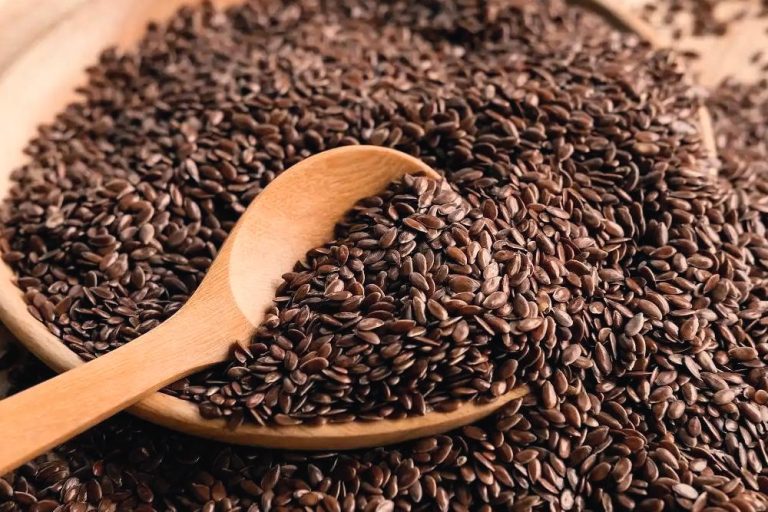
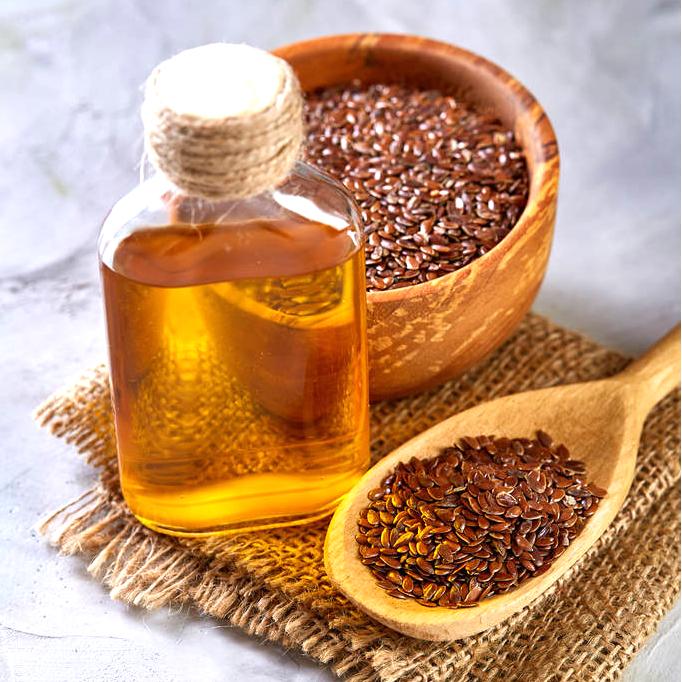
يتراوح لون بذور الكتان البني من البني الغامق إلى البني المحمر، مع مظهر أكثر تقليدية وريفية. وهذا هو الصنف السائد الذي كان يُزرع تاريخياً في مناطق مثل منغوليا الداخلية وشمال الصين، حيث تُزرع بذور الكتان منذ عقود في ظل النظم العضوية وشبه العضوية.
من وجهة نظر المعالجة
تباين الألوان أوسع
تصبغ بدن البدن أغمق
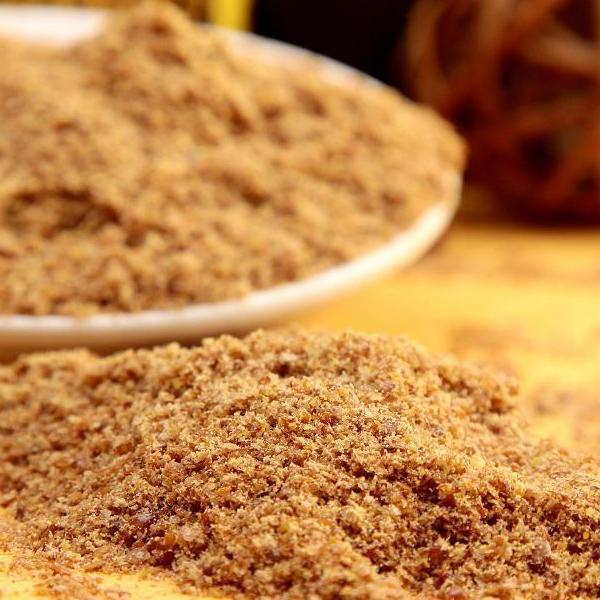
تظهر المساحيق النهائية باللون البني الفاتح إلى الأسمر
بذور الكتان الذهبية
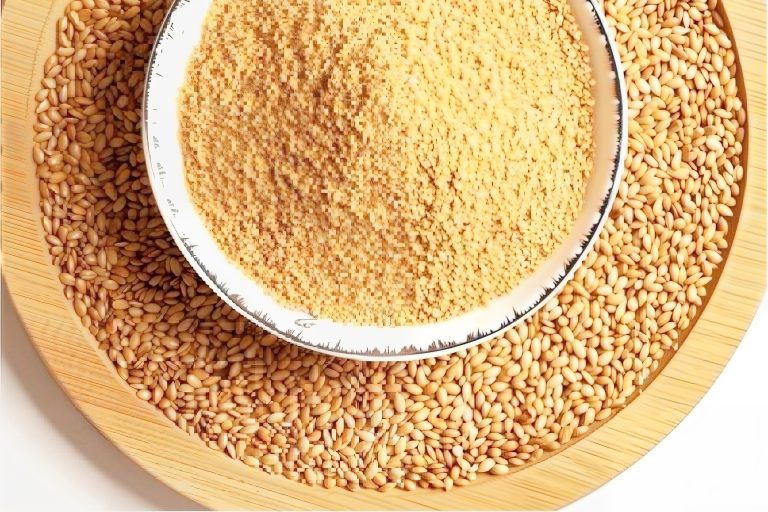
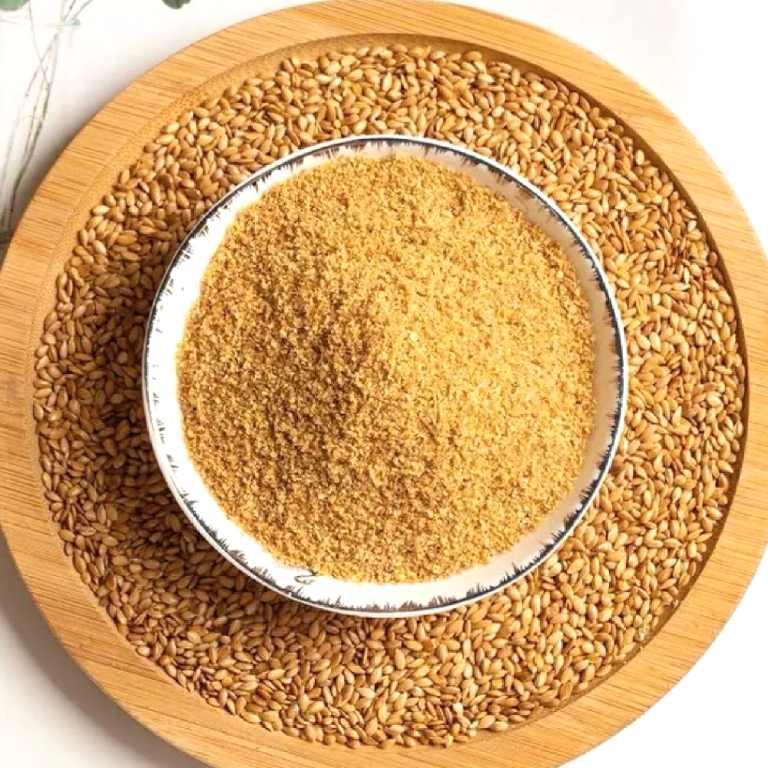
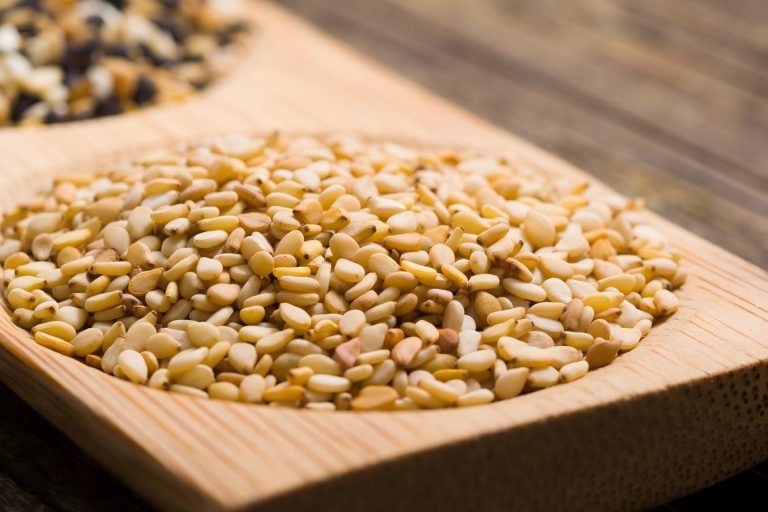
تتميز بذور الكتان الذهبية بلونها الأصفر الفاتح إلى الذهبي الباهت، مما يمنحها مظهراً أنظف وأكثر إشراقاً. وهي الأصناف المستولدة حديثاً, تم تطويره لتحسين الاستساغة وقبول المستهلك في الأغذية الوظيفية الحديثة.
قيد الإنتاج:
تناسق الألوان أعلى
الطحين النهائي كريمي شاحب أو أصفر فاتح
يُفضل عندما يكون النقاء البصري مهمًا (على سبيل المثال، المشروبات وخلطات المخابز)
نظرة ثاقبة للمعالج:
تعتبر بذور الكتان الذهبية أكثر “تسامحاً” بصرياً في الأطعمة ذات الألوان الفاتحة، بينما تتناسب بذور الكتان البنية بشكل أفضل مع مفاهيم المنتجات ذات الحبوب الكاملة أو الريفية.
2. التركيبة الغذائية: أسس متشابهة ونقاط قوة مختلفة
يشترك كلا النوعين من بذور الكتان في نفس الأساس الغذائي:
نسبة عالية من الألياف الغذائية
غني بالبروتين النباتي
مصدر طبيعي لأحماض أوميغا 3 الدهنية (ALA)
الليغنانات الوفيرة
ومع ذلك, تختلف النسب النسب النسبية, مما يؤثر على وضع المنتج.
أوميغا 3 (حمض ألفا لينولينيك، ALA)
بذور الكتان البني: حوالي 17.7 جم/ 100 جم
بذور الكتان الذهبية: حوالي 16.0 جم/ 100 جم
توفر بذور الكتان البني عادةً 10-20%P3T المزيد من ALA, مما يجعلها مفضلة للمنتجات التي تركز على أوميغا 3.
مضادات الأكسدة والقشور
تحتوي بذور الكتان البنية على مستويات أعلى بكثير من اللجنان (حتى 60% أكثر)
يساهم ارتفاع محتوى الكاروتينويدات في تعزيز القدرة المضادة للأكسدة
من من منظور التركيبات الصحية، تتوافق بذور الكتان البنية بشكل أفضل مع:
صحة الأمعاء
التموضع المضاد للالتهاب
دعم الأيض والقلب والأوعية الدموية
المعادن
تظهر بذور الكتان الذهبية بشكل عام مستويات أعلى من:
الكالسيوم
المغنيسيوم
البوتاسيوم
الزنك
وهذا ما يجعل بذور الكتان الذهبية جذابة لـ:
منتجات التغذية اليومية
صحة المرأة
الأطعمة الوظيفية المعززة بالمعادن
3. خصائص النكهة والأداء الحسي
النكهة هي المكان الذي يرى فيه المعالجون التباعد الأكثر عملية.
بذور الكتان البني
ترابي وقوي وعشبي قليلاً
مكسرات مع نغمات عشبية
تصبح النكهة أكثر وضوحاً بعد الطحن
الأنسب لـ
خبز الحبوب الكاملة
المخبوزات اللذيذة
الحبوب والعصيدة
الأطعمة الصحية التقليدية
بذور الكتان الذهبية
خفيف، نظيف ونظيف وجوز
روائح كريمية خفية تشبه الألبان والكريمة
الحد الأدنى من المرارة أو مذاق الطعم
مثالية لـ
العصائر ومشروبات البروتين
إضافات الزبادي
تركيبات الحلوى والوجبات الخفيفة
المنتجات التي تستهدف مستهلكي الكتان لأول مرة
نظرة ثاقبة للمعالج:
يسهل دمج بذور الكتان الذهبية في تركيبات “الطعم المحايد”، مما يقلل من الحاجة إلى إخفاء النكهة.
4. سلوك المعالجة: الطحن والاستقرار ومدة الصلاحية
تمتاز بذور الكتان بميزة طبيعية: أ غلاف خارجي صلب التي تحمي الزيوت الحساسة من الأكسدة.
ومع ذلك، بمجرد تكسيره أو طحنه، تكون خيارات المعالجة مهمة.
خصائص الطحن
بذور الكتان البنية: قشرة أكثر صلابة قليلاً، وكثافة ألياف أعلى
بذور الكتان الذهبية: إطلاق زيت أعلى قليلاً أثناء الطحن الناعم
بذور الكتان المطحونة (وجبة بذور الكتان)
يتطلب كلا النوعين الطحن المتحكم في الأكسجين
يعمل حجم الجسيمات الدقيقة على تحسين التوافر البيولوجي للمغذيات
بذور الكتان المطحونة يجب تخزينها في حاويات محكمة الإغلاق
تبقى وجبة بذور الكتان المعالجة بشكل صحيح مستقرة لمدة عدة أشهر تحت ظروف جافة وباردة.
الخصائص الوظيفية
تُظهر كل من وجبة بذور الكتان البنية والذهبية اللونين القدرة على ربط الماء والقدرة على التبلور, وهو أمر بالغ الأهمية في:
التحكم في قوام المخبوزات
بديل البيض النباتي
سماكة السموثي
نسبة استبدال البيض (معيار الصناعة):
1 ملعقة كبيرة وجبة بذور الكتان + 3 ملاعق كبيرة ماء = 1 بديل بيضة واحدة
تشير العديد من التجارب العشوائية المنضبطة إلى أن استبدال بذور الكتان لا يزيد من نسبة الكوليسترول, على عكس البيض، وقد يساعد في تقليل مستويات الكوليسترول الضار.
5. بذور الكتان البنية مقابل بذور الكتان الذهبية: مقارنة تعتمد على التطبيق: أي بذور كتان لأي منتج؟
| فئة المنتج | اختيار أفضل | السبب |
|---|---|---|
| خبز الحبوب الكاملة | براون | نكهة قوية، وأوميغا 3 أعلى من أوميغا 3 |
| مخبز وظيفي | براون | كثافة اللجنان ومضادات الأكسدة |
| العصائر والمشروبات | ذهبية | طعم خفيف، لون فاتح |
| الزبادي والسلطات | ذهبية | المظهر الحسي النظيف |
| بديل البيض النباتي | كلاهما | أداء وظيفي مكافئ |
| مكملات أوميغا 3 | براون | تركيز أعلى من ALA |
| أغذية صحية ممتازة | ذهبية | “تصور المستهلك ”المكرر" |
6. الاختيار من وجهة نظر الشركة المصنعة
من خبرتنا في معالجة كلا الصنفين:
بذور الكتان البني تتفوق في المنتجات الغذائية والتقليدية والعلاجية القائمة على المغذيات
بذور الكتان الذهبية يؤدي بشكل أفضل في الأطعمة الحساسة للحواس والممتازة وأسلوب الحياة الحسية
كلاهما ذو قيمة غذائية. وينبغي الاسترشاد في الاختيار بما يلي:
توقعات المستهلك المستهدف
تحمل النكهة
متطلبات لون المنتج
استراتيجية المطالبات الصحية
تجربة شخصية: بذور الكتان الذهبية مقابل بذور الكتان البنية
في روتين حياتي اليومي، وجدت أنه على الرغم من أن كلا النوعين من بذور الكتان يقدمان قيمة غذائية كبيرة، إلا أن هناك اختلاف ملحوظ في مزايا النكهة والقوام. بعد أن أدمجت بذور الكتان المحمصة - سواء كانت بنية اللون أو ذهبية اللون - في نظامي الغذائي لبعض الوقت، إليك ما لاحظته:
بذور الكتان الذهبية (الصفراء): للاستهلاك المباشر، أنا شخصياً أفضل النوع الذهبي. لديهم الكثير من ملمس فم أكثر نعومة ونكهة البندق الناضجة التي لا تطغى على النكهة.
بذور الكتان البني هذه تحتوي على رائحة قوية ومميزة. لقد لاحظت أنها تبدو أكثر صلابة و“أكثر خشونة” - ويرجع ذلك على الأرجح إلى ارتفاع نسبة اللجنين فيها - مما يمنحها قواماً أكثر صلابة ومقرمشة مقارنةً بالذهبية.
كيف أستخدم بذور الكتان المطحونة
كما أنني أحرص على استهلاك مسحوق بذور الكتان كل يوم. دائمًا ما يكون اختياري مسحوق بذور الكتان الذهبي. نظرًا لأن رائحته أكثر رقة وحيادية، أجد أنه من الأسهل بكثير إقرانه مع الأطعمة الأخرى. فهو يمتزج بسلاسة مع العصائر أو دقيق الشوفان أو الزبادي دون أن يهيمن على المذاق العام للطبق.
الأفكار النهائية
بذور الكتان البني والذهبي ليسا متنافسين - فهما الأدوات.
عندما يتم اختيارها عن قصد ومعالجتها بشكل صحيح، فإن كل صنف يقدم قيمة متميزة عبر خطوط المنتجات الغذائية والتغذوية والوظيفية.
وبصفتنا معالجين، لا يتمثل دورنا كمعالجين في الادعاء بأن أحدها “أفضل”، بل في مساعدة العلامات التجارية على اختيار بذور الكتان المناسبة للاستخدام المناسب.
المراجع (APA)
Bloedon, L. T., & Szapary, P. O. (2004). بذور الكتان ومخاطر الإصابة بأمراض القلب والأوعية الدموية. مراجعات التغذية، 62(1), 18-27.
https://doi.org/10.1301/nr.2004.jan.18-27
Pan, A., Yu, D., Demark-Wahnefried, W., Franco, O. H., & Lin, X. (2009). التحليل التلوي لتأثيرات تدخلات بذور الكتان على نسبة الدهون في الدم. المجلة الأمريكية للتغذية السريرية، 90(2), 288-297.
https://doi.org/10.3945/ajcn.2009.27469
Touré, A., & Xueming, X. (2010). قشور بذور الكتان: المصدر، والتخليق الحيوي، والتمثيل الغذائي، والتمثيل الغذائي، والنشاط المضاد للأكسدة، والمكونات الحيوية النشطة، والفوائد الصحية. المراجعات الشاملة في علوم الأغذية وسلامة الأغذية، 9(3), 261-269.
https://doi.org/10.1111/j.1541-4337.2009.00105.x
USDA FoodData Central. (2023). بذور الكتان، الخام.
https://fdc.nal.usda.gov