ما هي المنتجات التي يمكن بذور الكتان أن تتم معالجتها في؟
يمكن تحويل بذور الكتان إلى مجموعة واسعة من المنتجات الصناعية والغذائية من خلال التنظيف وإزالة القشور والكبس والطحن والاستخلاص. تشمل فئات المنتجات الرئيسية ما يلي البذور الكاملة المتدرجة, حبات بذور الكتان, قشور بذور الكتان, زيت بذور الكتان (معصور على البارد أو مكرر), وجبة بذور الكتان/البارودو علكة بذور الكتان - ولكل منها تركيبة وتطبيقات متميزة في التركيبات الغذائية والأعلاف الحيوانية والاستخدامات الصناعية. يساعد فهم أنواع المنتجات ومسارات المعالجة هذه المتخصصين على اختيار مشتقات بذور الكتان المناسبة لأسواق وتطبيقات محددة.
مقدمة
بذور الكتان (Linum usitatatissimum) هو محصول بذور زيتي له تاريخ طويل من الزراعة والاستخدام. ومع تطور التصنيع الغذائي الحديث وإنتاج الأعلاف والبحوث ذات الصلة، تطورت بذور الكتان من مادة خام تقليدية إلى مورد نباتي قيّم يمكن معالجته في أشكال متعددة.
ملاحظة المؤلف
إن بذور الكتان ومنتجاتها المصنعة غنية بالعديد من العناصر الغذائية والمركبات النشطة بيولوجيًا التي لها تطبيقات مفيدة في تغذية الإنسان والبحث العلمي والإنتاج الحيواني. ولذلك، فهي تستخدم على نطاق واسع في صناعة الأغذية، والتطبيقات المتعلقة بالبحوث، وقطاع الأعلاف. وبالإضافة إلى زيت بذور الكتان الشائع ووجبة بذور الكتان، تشمل منتجات بذور الكتان المصنعة أيضًا صمغ بذور الكتان وأشكال أخرى عالية القيمة.
تقدم هذه المقالة لمحة شاملة عن أنواع منتجات بذور الكتان وطرق معالجتها واستخداماتها الرئيسية.
1. تركيبة بذور الكتان وقيمة المعالجة
1.1 التركيب الأساسي لبذور الكتان
تحتوي بذور الكتان في المقام الأول على:
الدهون (بشكل رئيسي حمض ألفا لينولينيك، وهو حمض أوميغا 3 الدهني)
البروتينات
الألياف الغذائية
البوليفينول واللجنان
مرجع موثوق:
تُعرف بذور الكتان بأنها مصدر نباتي غني بالدهون والألياف والمركبات النشطة بيولوجيًا (كاجلا وشارما وسود، 2015).
اقتباس APA:
Kajla, P., Sharma, A., & Sood, D. R. (2015). بذور الكتان - مصدر غذاء وظيفي محتمل. مجلة علوم وتكنولوجيا الأغذية، 52(4)، 1857-1871. https://doi.org/10.1007/s13197-014-1293-y
1.2 سبب الحاجة إلى المعالجة العميقة
تُعد المعالجة العميقة لبذور الكتان مهمة من أجل:
تحسين الثبات وفترة الصلاحية
تعزيز قابلية التطبيق عبر الصناعات (الأغذية والأعلاف والاستخدامات الصناعية)
تمكين الاستخدام المستهدف لمكونات وظيفية محددة
ملاحظة: يتناول هذا الوصف الأساس المنطقي للمعالجة فقط؛ ولم يتم تقديم أي ادعاءات بشأن الوقاية من الأمراض أو التأثيرات العلاجية.
2. أنواع منتجات بذور الكتان الرئيسية
ينتج عن معالجة بذور الكتان مجموعة متنوعة من المنتجات. وتشمل الفئات الرئيسية ما يلي:
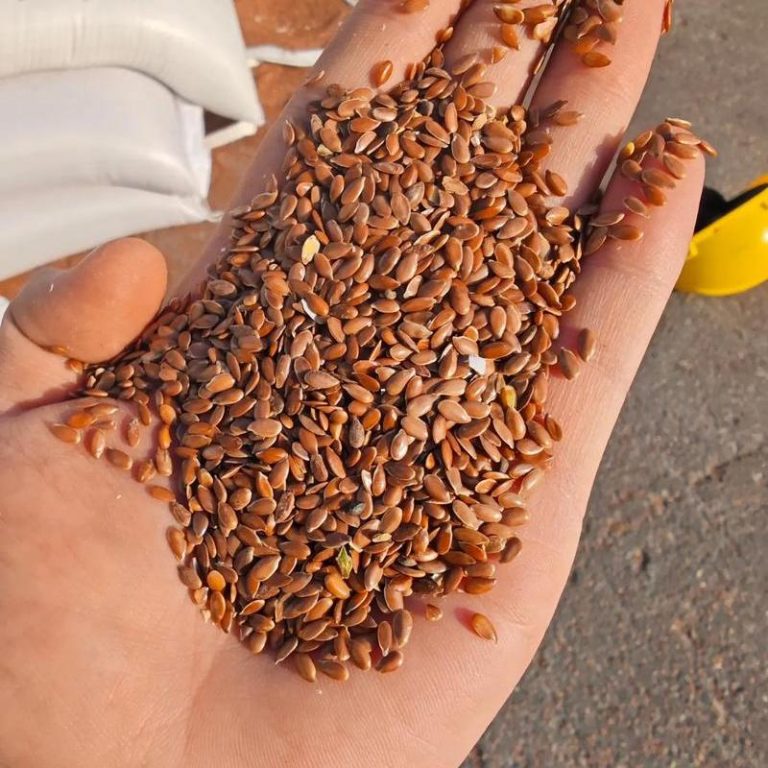
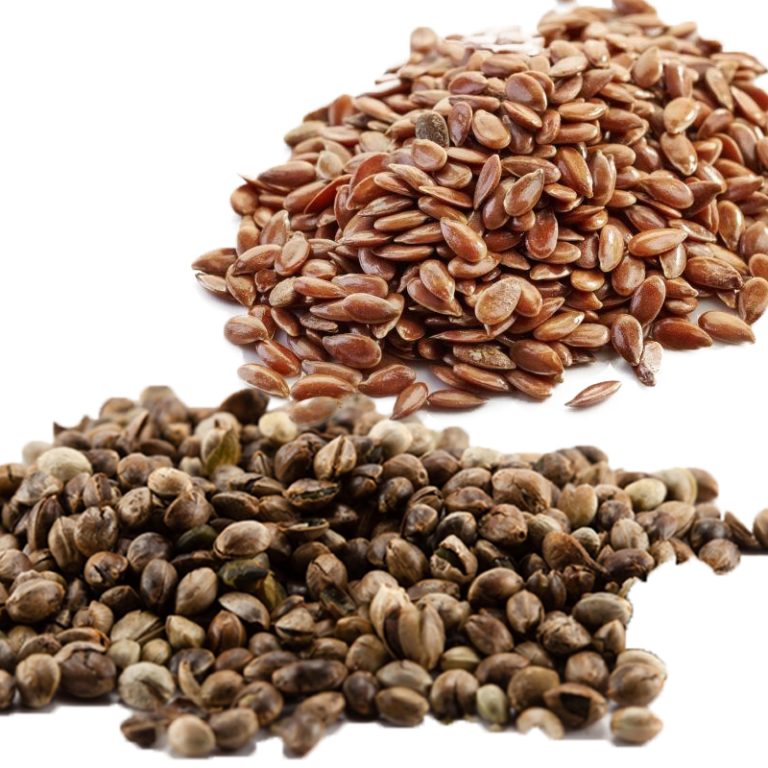
2.1 بذور الكتان الكاملة والمنتجات المتدرجة
بذور نظيفة ومنزوعة القشرة ومصنفة الحجم
بمثابة مادة خام لمزيد من المعالجة أو الاستخدام المباشر في التركيبات الغذائية
2.2 حبات بذور الكتان 2.2 حبات بذور الكتان
تم الحصول عليها بعد إزالة الهيكل
يحتوي على نسبة عالية من الزيت والبروتين
التطبيقات:
المواد الخام لصناعة الأغذية
المكونات النباتية للتركيبات الوظيفية
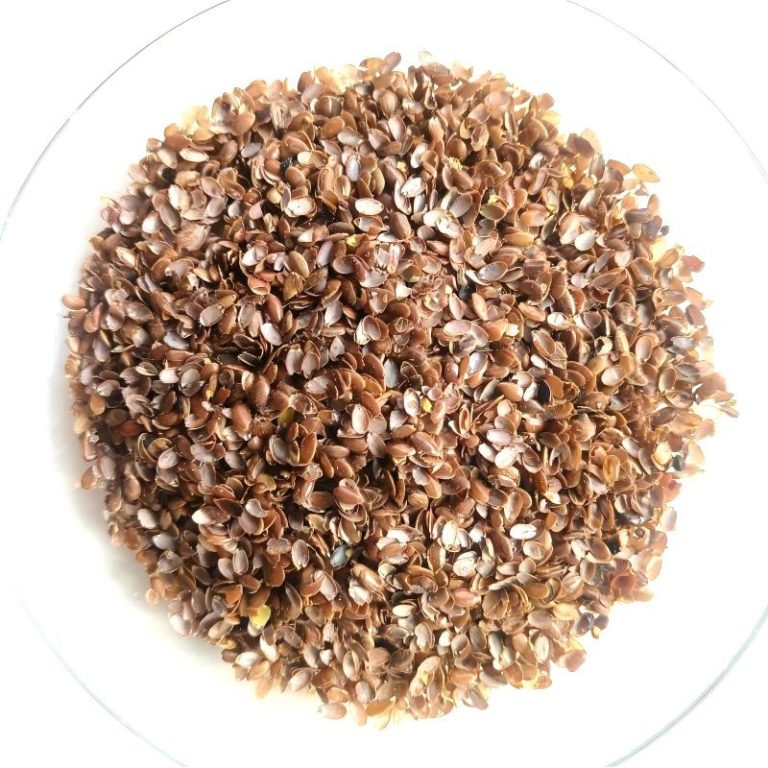
2.3 قشور بذور الكتان
منتج ثانوي من نزع القشور
غني بالألياف الغذائية
التطبيقات:
مصدر الألياف في العلف
المضافات الغذائية لإثراء الألياف
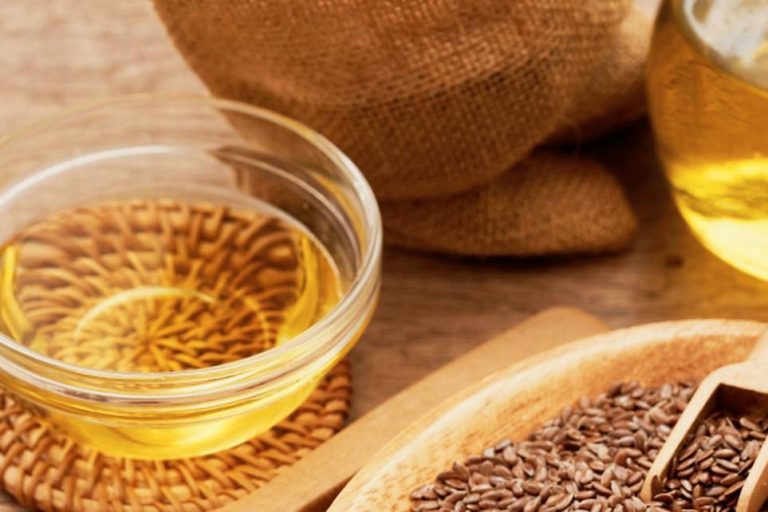
2.4 زيت بذور الكتان
معصور على البارد أو مكرر
طرق المعالجة:
الضغط البدني
التكرير والتنقية
التطبيقات:
زيت من الدرجة الغذائية
الاستخدامات الصناعية، على سبيل المثال، الطلاءات أو الراتنجات
المرجع:
Goyal, A., Sharma, V., Upadhyay, N., Gill, S., & Sihag, M. (2014). الكتان وزيت بذور الكتان: دواء قديم وغذاء وظيفي حديث. مجلة الأغذية الوظيفية، 7، 399-410. https://doi.org/10.1016/j.jff.2013.12.002
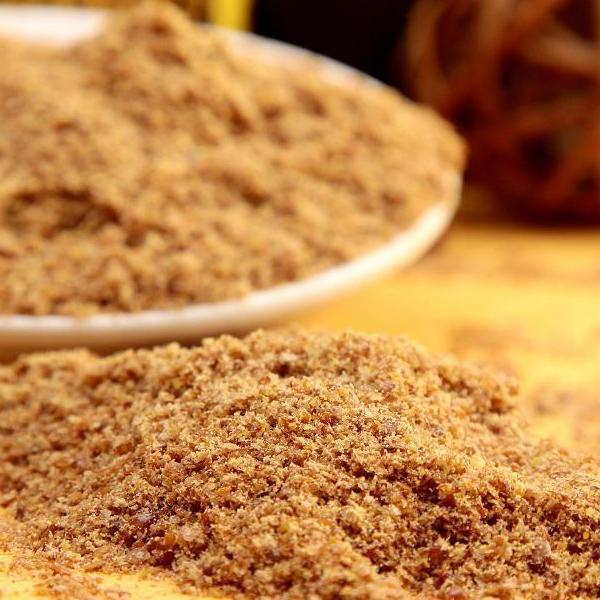
2.5 وجبة/مسحوق بذور الكتان 2.5
البذور الكاملة أو الوجبة منزوعة الدسم
التطبيقات:
مكونات صناعة الأغذية
إنتاج الأعلاف
التركيبات المركبة
2.6 صمغ بذور الكتان
مستخلص من الطبقة الخارجية المخاطية الصمغية للبذور
خطوات المعالجة:
استخراج المياه
التركيز
التجفيف إلى مسحوق
الخصائص:
عديد السكاريد الطبيعي القابل للذوبان في الماء المشتق من النباتات
الخصائص الوظيفية: التكثيف، التثبيت، التثبيت، تشكيل الأغشية
التطبيقات:
صناعة الأغذية (تعديل القوام)
إنتاج الأعلاف
التركيبات الصناعية
المرجع:
Wang, Y., Li, D., Wang, L. J., & Li, S. J. (2018). صمغ بذور الكتان: الاستخلاص والخصائص الفيزيائية الكيميائية والتطبيقات. بوليمرات الكربوهيدرات، 190، 11-20. https://doi.org/10.1016/j.carbpol.2018.03.027
3. نظرة عامة على طرق معالجة بذور الكتان
يتضمن سير عمل المعالجة العامة ما يلي:
تنظيف البذور الخام وتصنيفها
إزالة البدن وفصله
الكبس أو الطحن
استخراج الزيت أو الصمغ
التجفيف والسحق والتصنيف
التعبئة والتغليف والتخزين
ملاحظة: يركز هذا القسم فقط على إجراءات المعالجة، متجنباً مطالبات الفعالية.
4. التطبيقات الرئيسية لمنتجات بذور الكتان
4.1 صناعة الأغذية
المكونات النباتية
معززات التركيب
إضافات الزيت والدقيق في التركيبات
4.2 الأبحاث والتطبيقات العلمية
المواد الخام لتحليل المغذيات
الدراسات التجريبية في التغذية وعلوم الأغذية
4.3 علف الحيوانات وإنتاجها
مصدر الطاقة
مكمل البروتين والألياف
مكون في تركيبات الأعلاف الصناعية
5. اختيار منتج بذور الكتان المناسب
عند اختيار منتجات بذور الكتان، ضع في اعتبارك:
شكل المنتج: البذور الكاملة والدقيق والزيت والصمغ
طريقة المعالجة: المعصور على البارد مقابل المكرر، الكامل مقابل منزوع الدسم
التطبيق المقصود: الغذاء أو العلف أو الاستخدام الصناعي أو البحثي
الخاتمة
من البذور الكاملة إلى الزيت، والدقيق، والصمغ، يحدد مسار معالجة بذور الكتان شكلها النهائي واستخدامها. إن فهم العلاقة بين طرق المعالجة ونوع المنتج والاستخدام يساعد المتخصصين في قطاعات الأغذية والأعلاف والقطاعات الصناعية على اتخاذ قرارات مستنيرة فيما يتعلق باستخدام بذور الكتان.
س1: ما هي المنتجات الرئيسية المصنوعة من بذور الكتان؟
A1: يمكن معالجة بذور الكتان في منتجات متعددة بما في ذلك بذور الكتان الكاملة، وحبوب بذور الكتان، وقشور بذور الكتان، ودقيق/مسحوق بذور الكتان، وزيت بذور الكتان، وصمغ بذور الكتان. ويختلف كل منتج من حيث التركيب والاستخدام، حيث يخدم الصناعات الغذائية والأعلاف الحيوانية والاستخدامات الصناعية (Kajla وآخرون، 2015؛ Goyal وآخرون، 2014؛ Wang وآخرون، 2018).
س2: كيف يتم إنتاج زيت بذور الكتان؟
A2: يمكن إنتاج زيت بذور الكتان من خلال الكبس على البارد أو التكرير. يحافظ العصر البارد على التركيبة الطبيعية للأحماض الدهنية، بينما يخضع الزيت المكرر لخطوات إضافية لإزالة الشوائب، بما في ذلك إزالة الصمغ والتحييد وإزالة الروائح الكريهة. ويستخدم الزيت الناتج في التطبيقات الغذائية أو بعض العمليات الصناعية (جويال وآخرون، 2014).
س3: ما هي علكة بذور الكتان وكيف يتم الحصول عليها؟
A3: صمغ بذور الكتان هو عديد السكاريد القابل للذوبان في الماء المستخرج من الطبقة الخارجية لبذور الكتان. يتم الحصول عليها عن طريق استخلاص الماء وتركيزه وتجفيفه. يُستخدم صمغ بذور الكتان في المقام الأول كمكثف أو مثبت أو عامل تشكيل غشاء في التركيبات الغذائية والأعلاف الحيوانية والمنتجات الصناعية (وانغ وآخرون، 2018).
س4: ما الفرق بين وجبة بذور الكتان ومسحوق بذور الكتان؟
A4: وجبة بذور الكتان عادةً ما يكون منتجًا ثانويًا بعد استخراج الزيت وقد يحتوي على نسبة دهون أقل، بينما مسحوق بذور الكتان يمكن إنتاجه عن طريق طحن البذور الكاملة. ويستخدم كلاهما في التركيبات الغذائية وعلف الحيوانات والأبحاث، ولكنهما يختلفان في تركيز المغذيات والخصائص الوظيفية (كاجلا وآخرون، 2015).
س5: ما هي الاستخدامات الرئيسية لمنتجات بذور الكتان المصنعة؟
A5: يتم استخدام منتجات بذور الكتان المعالجة في عدة مجالات:
صناعة الأغذية: المكونات النباتية، وتعديل القوام، والمضافات الغذائية
الأبحاث والدراسات العلمية: تحليل التركيب الغذائي والمواد الخام التجريبية
علف الحيوانات: مكملات البروتين والألياف، ومصدر الطاقة
الاستخدامات الصناعية: مكونات الطلاء أو الربط أو التركيب في التطبيقات غير الغذائية (جويال وآخرون، 2014؛ وانغ وآخرون، 2018)
س6: كيف تختار منتج بذور الكتان المناسب؟
A6: يعتمد الاختيار على:
شكل المنتج: بذور كاملة أو وجبة أو زيت أو صمغ كامل
طريقة المعالجة: معصور على البارد أو مكرر، كامل أو منزوع الدسم
التطبيق المقصود: الأغذية، أو الأعلاف، أو الأغراض الصناعية أو البحثية
المراجع
Kajla, P., Sharma, A., & Sood, D. R. (2015). بذور الكتان - مصدر غذاء وظيفي محتمل. مجلة علوم وتكنولوجيا الأغذية، 52(4)، 1857-1871. https://doi.org/10.1007/s13197-014-1293-y
Goyal, A., Sharma, V., Upadhyay, N., Gill, S., & Sihag, M. (2014). الكتان وزيت بذور الكتان: دواء قديم وغذاء وظيفي حديث. مجلة الأغذية الوظيفية، 7، 399-410. https://doi.org/10.1016/j.jff.2013.12.002
Wang, Y., Li, D., Wang, L. J., & Li, S. J. (2018). صمغ بذور الكتان: الاستخلاص والخصائص الفيزيائية الكيميائية والتطبيقات. بوليمرات الكربوهيدرات، 190، 11-20. https://doi.org/10.1016/j.carbpol.2018.03.027