
Introduction
亜麻仁 (シナノキ) is an oilseed crop with a long history of cultivation and utilization. With the development of modern food processing, feed production, and related research, flaxseed has evolved from a traditional raw material into a valuable plant resource that can be processed into multiple forms.
Author’s Note:
Flaxseeds and their processed products are rich in various nutrients and bioactive compounds, which have beneficial applications in human nutrition, scientific research, and animal production. Therefore, they are widely used in the food industry, research-related applications, and the feed sector. Beyond common flaxseed oil and 亜麻仁ミール, flaxseed processed products also include flaxseed gum and other high-value forms.
This article provides a comprehensive overview of the types of flaxseed products, processing methods, and their main applications.
1. Flaxseed Composition and Processing Value
1.1 Basic Composition of Flaxseed
Flaxseeds primarily contain:
Lipids (mainly α-linolenic acid, an omega-3 fatty acid)
Proteins
食物繊維
Polyphenols and lignans
Authoritative Reference:
Flaxseed is recognized as a plant source rich in lipids, fiber, and bioactive compounds (Kajla, Sharma, & Sood, 2015).
APA Citation:
Kajla, P., Sharma, A., & Sood, D. R. (2015). Flaxseed—a potential functional food source. Journal of Food Science and Technology, 52(4), 1857–1871. https://doi.org/10.1007/s13197-014-1293-y
1.2 Why Deep Processing Is Needed
Deep processing of flaxseeds is important to:
Improve stability and shelf-life
Enhance applicability across industries (food, feed, and industrial uses)
Enable targeted utilization of specific functional components
Note: This description only addresses processing rationale; no claims regarding disease prevention or therapeutic effects are made.
2. Main Flaxseed Product Types
Flaxseed processing results in a variety of products. The main categories include:
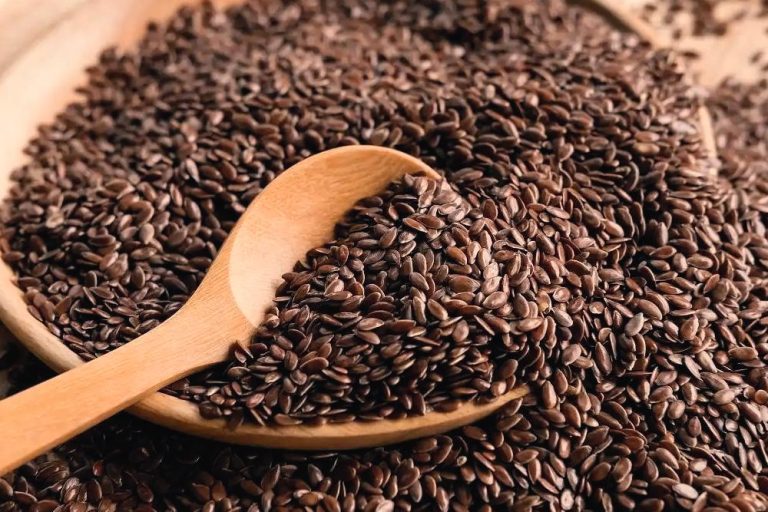
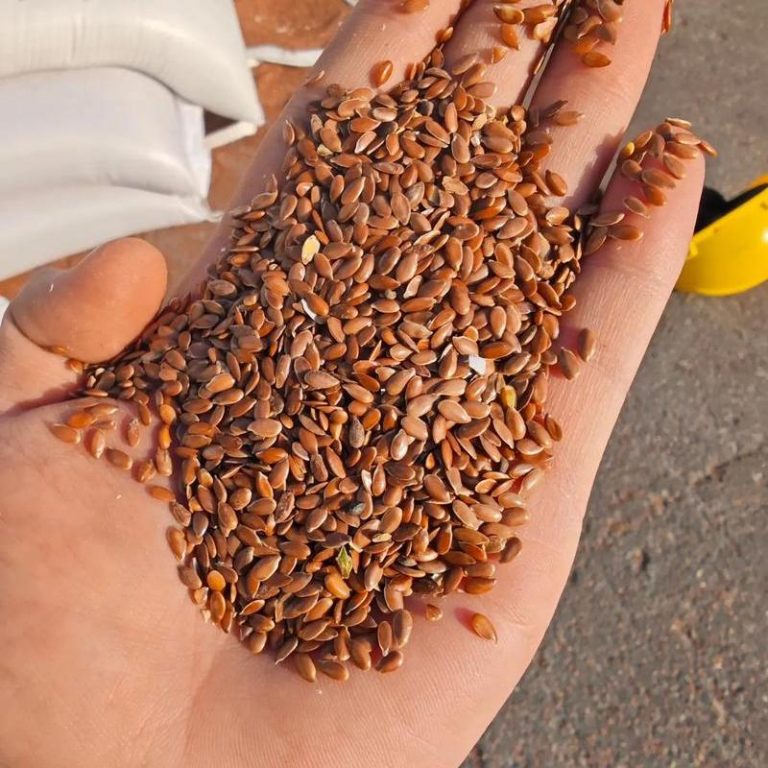
2.1 Whole Flaxseeds and Graded Products
Cleaned, dehulled, and size-graded seeds
Serve as raw material for further processing or direct use in food formulations
2.2 Flaxseed Kernels
Obtained after hull removal
High in oil and protein content
アプリケーション
Food industry raw material
Plant-based ingredients for functional formulations
2.3 Flaxseed Hulls
By-product from dehulling
Rich in dietary fiber
アプリケーション
Fiber source in feed
Food additive for fiber enrichment
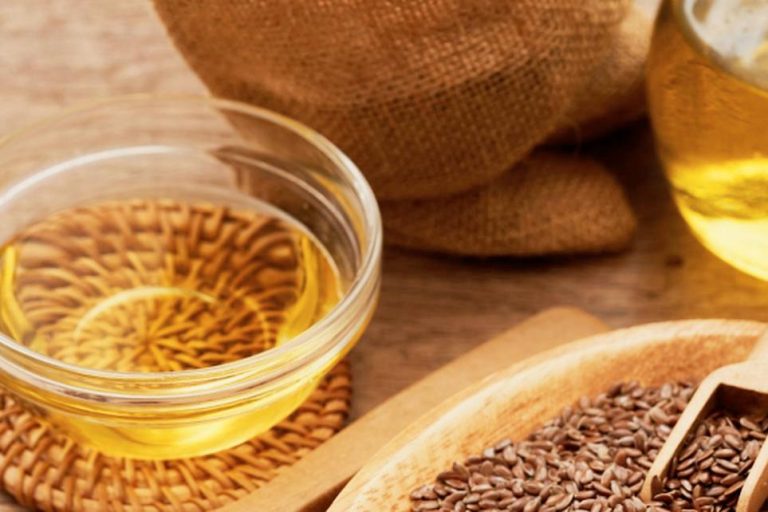
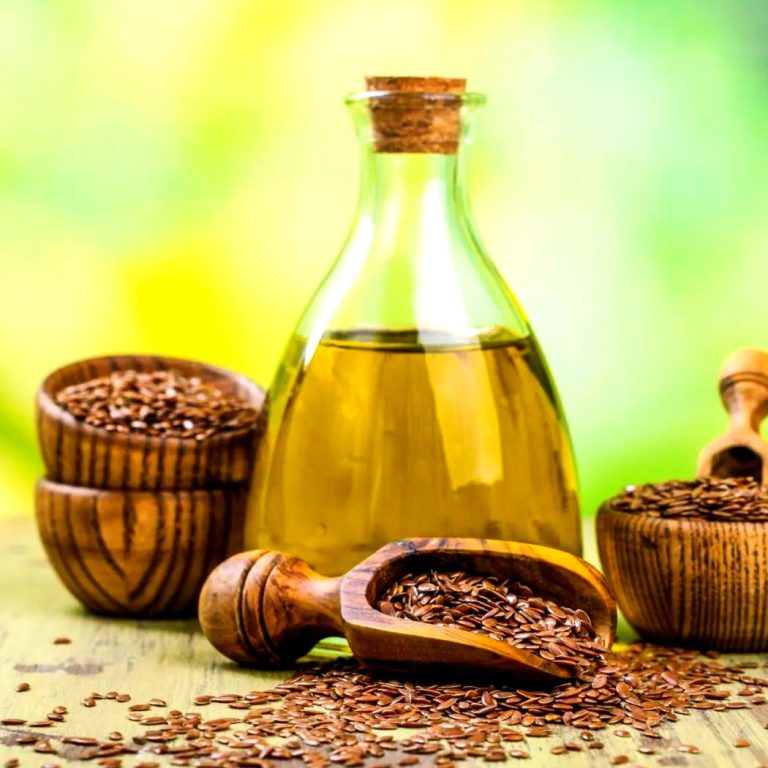
2.4 Flaxseed Oil
Cold-pressed or refined
Processing Methods:
Physical pressing
Refining and purification
アプリケーション
Food-grade oil
Industrial uses, e.g., coatings or resins
Reference:
Goyal, A., Sharma, V., Upadhyay, N., Gill, S., & Sihag, M. (2014). Flax and flaxseed oil: an ancient medicine & modern functional food. Journal of Functional Foods, 7, 399–410. https://doi.org/10.1016/j.jff.2013.12.002
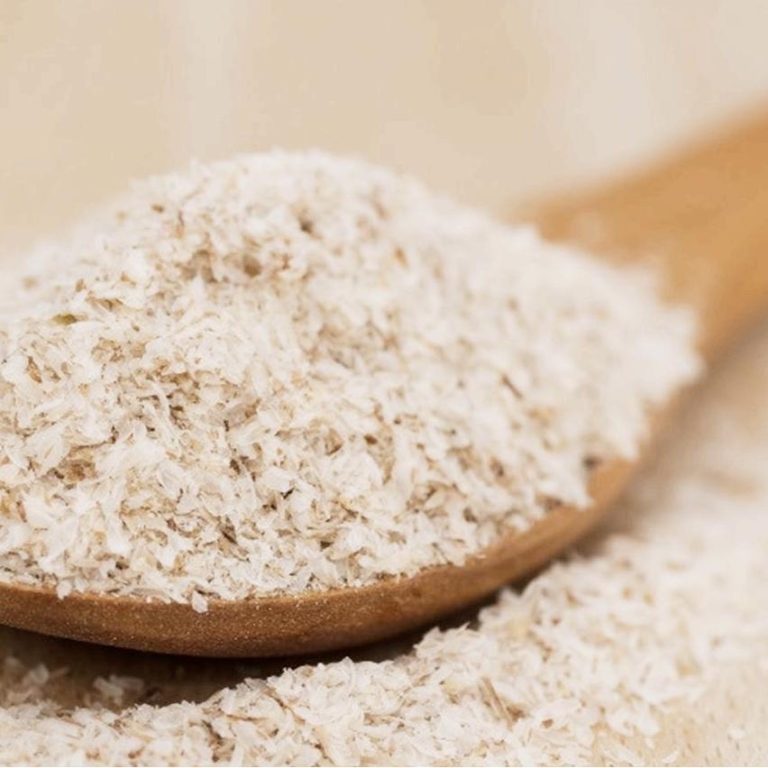
2.5 Flaxseed Meal / Powder
Whole seed or defatted meal
アプリケーション
Food industry ingredients
Feed production
Composite formulations
2.6 Flaxseed Gum
Extracted from the outer mucilaginous layer of seeds
Processing steps:
Water extraction
Concentration
Drying to powder
Characteristics:
Natural plant-derived water-soluble polysaccharide
Functional properties: thickening, stabilizing, film formation
アプリケーション
Food industry (texture modification)
Feed production
Industrial formulations
Reference:
Wang, Y., Li, D., Wang, L. J., & Li, S. J. (2018). Flaxseed gum: Extraction, physicochemical properties, and applications. Carbohydrate Polymers, 190, 11–20. https://doi.org/10.1016/j.carbpol.2018.03.027
3. Overview of Flaxseed Processing Methods
The general processing workflow includes:
Cleaning and grading raw seeds
Hull removal and separation
Pressing or grinding
Extraction of oil or gum
Drying, pulverizing, and classification
Packaging and storage
Note: This section focuses solely on processing procedures, avoiding efficacy claims.
4. Main Applications of Flaxseed Products
4.1 Food Industry
Plant-based ingredients
Textural enhancers
Oil and meal additives in formulations
4.2 Research and Scientific Applications
Raw material for nutrient analysis
Experimental studies in nutrition and food science
4.3 Animal Feed and Production
Energy source
Protein and fiber supplement
Component in industrial feed formulations
5. Choosing the Right Flaxseed Product
When selecting flaxseed products, consider:
Product Form: whole seed, meal, oil, gum
Processing Method: cold-pressed vs refined, whole vs defatted
Intended Application: food, feed, industrial, or research use
結論
From whole seeds to oil, meal, and gum, the processing pathway of flaxseed determines its final form and application. Understanding the relationship between processing methods, product type, and usage helps professionals in the food, feed, and industrial sectors make informed decisions regarding flaxseed utilization.
Q1: What are the main products made from flaxseeds?
A1: Flaxseeds can be processed into multiple products including whole flaxseeds, flaxseed kernels, flaxseed hulls, flaxseed meal/powder, flaxseed oil, and flaxseed gum. Each product differs in composition and application, serving the food industry, animal feed, and industrial uses (Kajla et al., 2015; Goyal et al., 2014; Wang et al., 2018).
Q2: How is flaxseed oil produced?
A2: Flaxseed oil can be produced through cold pressing または refining. Cold pressing preserves the natural composition of fatty acids, while refined oil undergoes additional steps to remove impurities, including degumming, neutralization, and deodorization. The resulting oil is used in food applications or certain industrial processes (Goyal et al., 2014).
Q3: What is flaxseed gum and how is it obtained?
A3: Flaxseed gum is a water-soluble polysaccharide extracted from the outer layer of flaxseeds. It is obtained by water extraction, concentration, and drying. Flaxseed gum is primarily used as a thickener, stabilizer, or film-forming agent in food formulations, animal feed, and industrial products (Wang et al., 2018).
Q4: What is the difference between flaxseed meal and flaxseed powder?
A4: Flaxseed meal is typically a by-product after oil extraction and may have lower fat content, while 亜麻仁パウダー can be produced by grinding whole seeds. Both are used in food formulations, animal feed, and research, but differ in nutrient concentration and functional properties (Kajla et al., 2015).
Q5: What are the main applications of processed flaxseed products?
A5: Processed flaxseed products are applied in several domains:
Food industry: plant-based ingredients, texture modification, nutritional additives
Research & scientific studies: nutrient composition analysis and experimental raw materials
Animal feed: protein and fiber supplementation, energy source
Industrial uses: coating, binding, or formulation components in non-food applications (Goyal et al., 2014; Wang et al., 2018)
Q6: How to choose the right flaxseed product?
A6: Selection depends on:
Product form: whole seeds, meal, oil, or gum
Processing method: cold-pressed or refined, whole or defatted
Intended application: food, feed, industrial, or research purposes
参考文献
Kajla, P., Sharma, A., & Sood, D. R. (2015). Flaxseed—a potential functional food source. Journal of Food Science and Technology, 52(4), 1857–1871. https://doi.org/10.1007/s13197-014-1293-y
Goyal, A., Sharma, V., Upadhyay, N., Gill, S., & Sihag, M. (2014). Flax and flaxseed oil: an ancient medicine & modern functional food. Journal of Functional Foods, 7, 399–410. https://doi.org/10.1016/j.jff.2013.12.002
Wang, Y., Li, D., Wang, L. J., & Li, S. J. (2018). Flaxseed gum: Extraction, physicochemical properties, and applications. Carbohydrate Polymers, 190, 11–20. https://doi.org/10.1016/j.carbpol.2018.03.027

 Japanese
  English
  Arabic
  French
  Spanish
  Korean
  Chinese
  German
  Italian