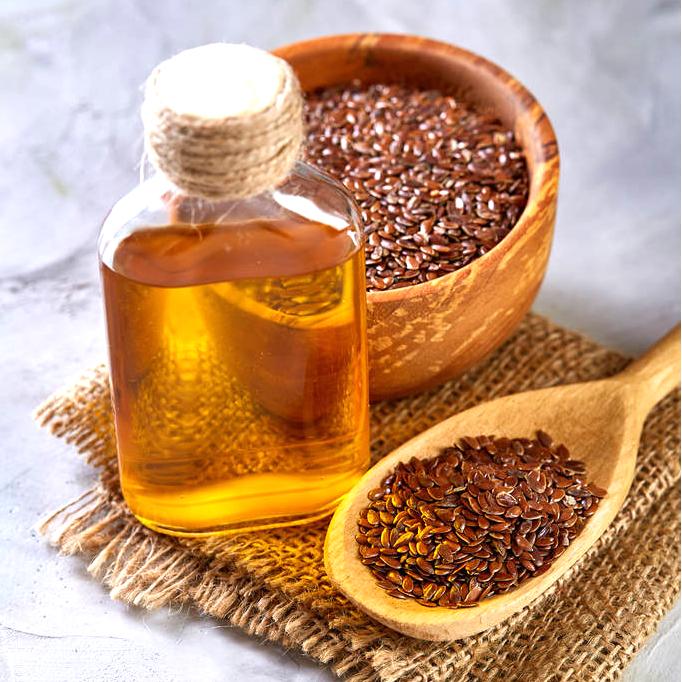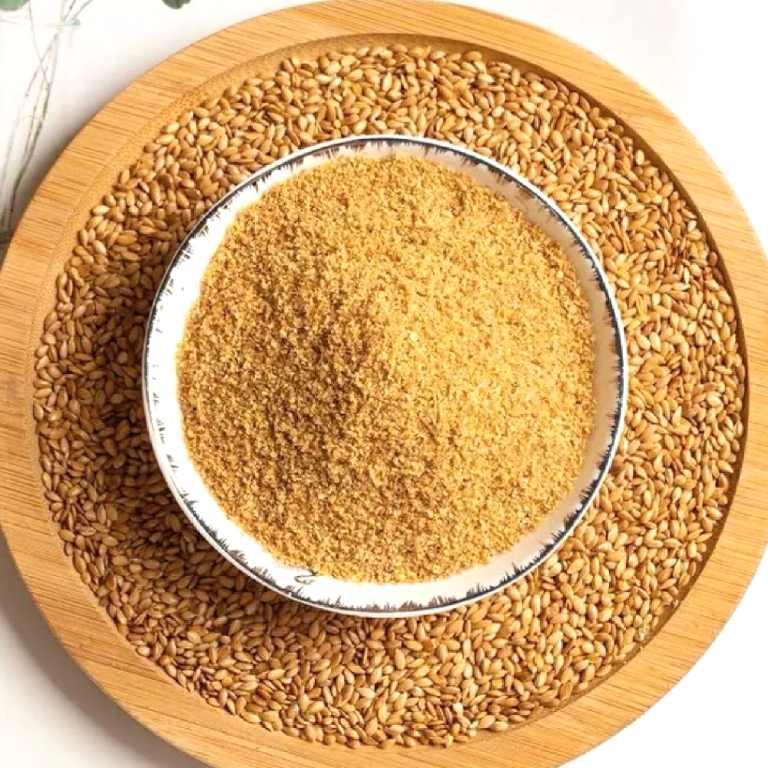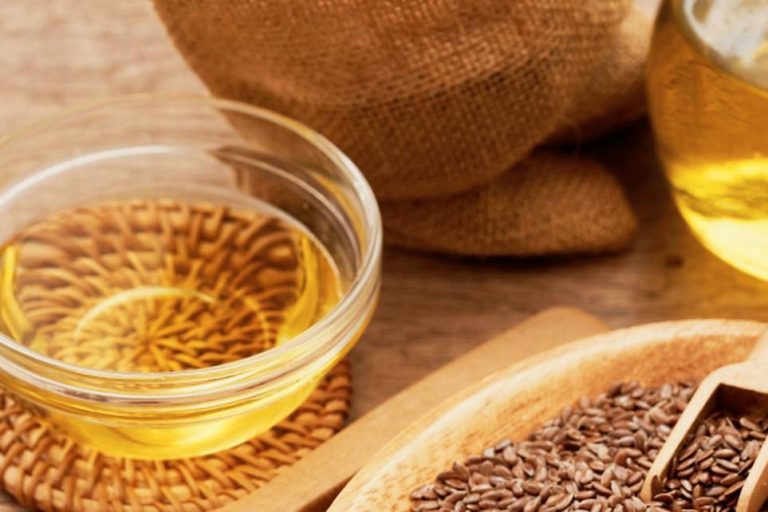
Flaxseed gel is produced by extracting water-soluble polysaccharides (mainly mucilage) from flaxseed through hot-water hydration and filtration. At home, it is typically made by boiling whole flaxseed in water and separating the viscous gel. In industrial production, controlled extraction systems using heating reactors, filtration units, and concentration equipment are used to standardize viscosity and microbial stability. Whole flaxseed is generally preferred over flaxseed hull alone because the gel-forming mucilage is distributed across the seed coat and outer layers rather than isolated in the hull.
1. What Is Flaxseed Gel (Scientific View)
Flaxseed gel is a hydrocolloid system, mainly composed of:
- soluble polysaccharides (mucilage)
- minor proteins
- phenolic compounds
- trace lipids
When flaxseed is hydrated in hot water, the outer layers release mucilage, forming a viscous colloidal solution.
Mechanistic Insight
The gel forms due to:
- hydration of polysaccharide chains
- hydrogen bonding with water molecules
- molecular entanglement increasing viscosity
Simple Analogy
Flaxseed gel behaves like:
- microscopic “sponges releasing sticky threads”
- those threads form a 3D network that traps water
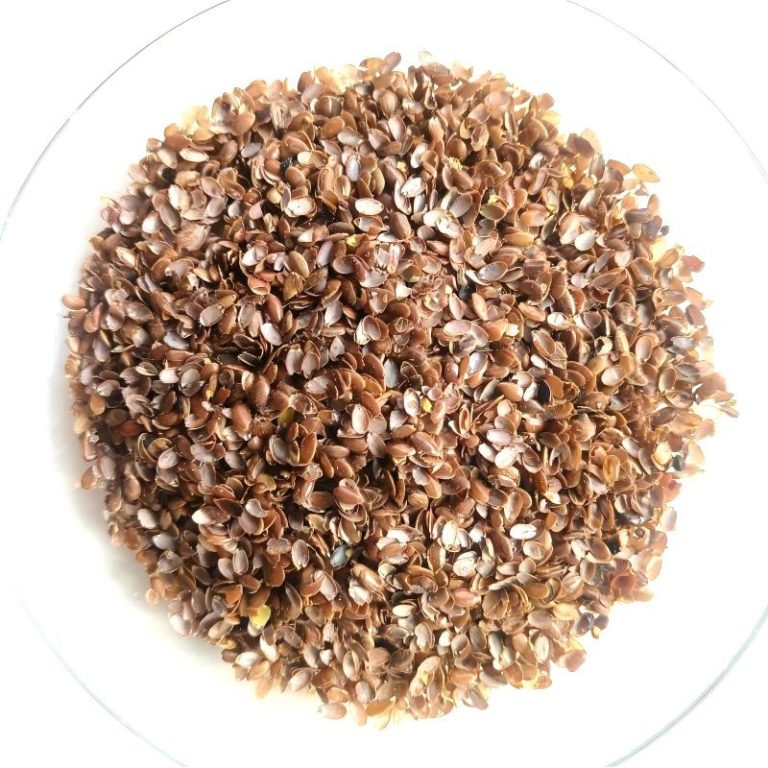
2. Raw Material: Flaxseed vs Flaxseed Hull
Which is better?
Whole flaxseed is generally superior
Comparison
| Material | Gel Yield | Composition | Industrial Use |
|---|---|---|---|
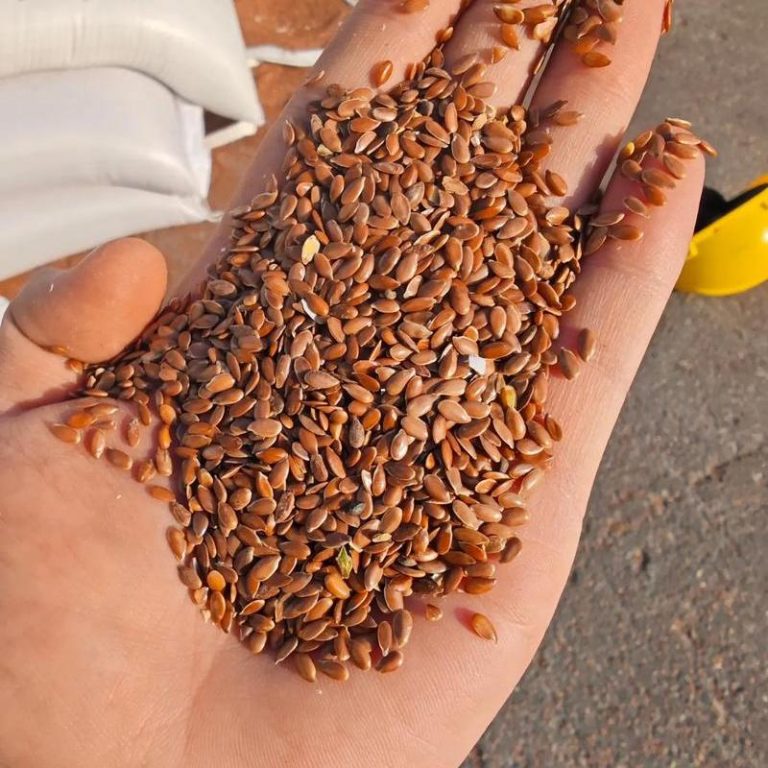
| Whole flaxseed | High | Full mucilage system | Standard choice |
| Flaxseed hull | Moderate/variable | Partial mucilage fraction | Limited use |
Key Scientific Reason
Mucilage is located in:
- seed coat outer layers
- epidermal polysaccharide-rich zones
It is not isolated only in hull; it is distributed across multiple outer seed structures.
Conclusion
Whole flaxseed provides:
- higher yield
- better viscosity consistency
- more complete extraction
Analogy
Whole flaxseed is like:
- a “complete factory system”
Flax hull alone is like:
- a “partial component removed from the system”
3. Home Preparation Method (Kitchen Scale Extraction)
Required Materials
Raw material
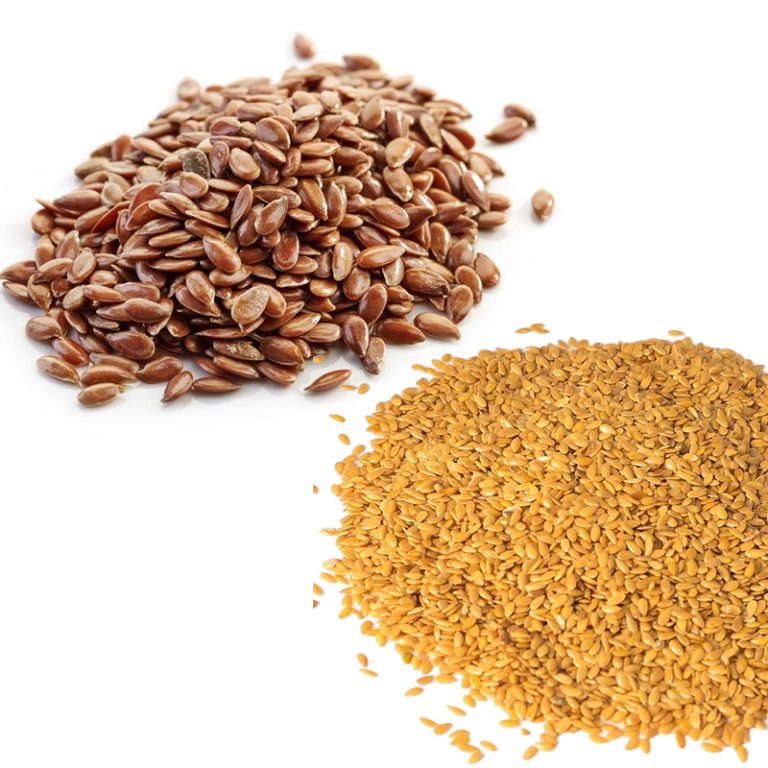
- Whole flaxseed (brown or golden)
Solvent
- potable water
Equipment
- saucepan or pot
- stove or heating plate
- stirring spoon
- fine mesh strainer or cheesecloth
- glass container for storage
Step-by-Step Process
Step 1: Heating water
Heat water to near boiling.
Principle
Heat increases:
- polysaccharide solubility
- cell wall permeability
Step 2: Add flaxseed
Add flaxseed into hot water.
Mechanism
Water penetrates seed coat → mucilage hydrates → begins diffusion into solution.
Step 3: Gentle boiling / simmering
Maintain mild heating for controlled extraction.
Principle
- heat accelerates diffusion
- excessive heat may degrade viscosity
Step 4: Viscosity formation
Solution becomes increasingly thick.
Mechanism
- mucilage chains dissolve
- hydrogen bonding forms gel network
Step 5: Filtration
Separate solid seeds using strainer or cloth.
Result
- liquid fraction = flaxseed gel
- solid residue = spent seed
Step 6: Cooling
Gel thickens further during cooling.
Reason
Simple Analogy
Home extraction is like:
- brewing tea
but instead of flavor compounds, you are extracting a viscosity-forming polymer network
4. Industrial Production Process
Industrial production focuses on:
- consistency
- microbial control
- viscosity standardization
- scalability
Required Equipment
Extraction system
- stainless steel extraction reactor
- temperature control system
- agitation system
Separation system
- industrial centrifuge
- filtration membranes
- decanter system
Post-processing
- vacuum concentrator
- homogenizer
- sterilization system (pasteurization or filtration)
Packaging
- aseptic filling line
- sealed containers
Industrial Step-by-Step Process
Step 1: Raw material pretreatment
- cleaning
- sorting
- optional milling (controlled)
Step 2: Hot water extraction
Controlled heating in reactor.
Principle
- optimized temperature increases mucilage release
- prevents degradation of polysaccharides
Step 3: Mechanical separation
- centrifugation or filtration removes solids
Step 4: Concentration
Vacuum evaporation adjusts viscosity.
Mechanism
- reduces water content
- increases polymer density
Step 5: Standardization
Adjust:
- viscosity
- pH
- microbial load
Step 6: Sterilization and packaging
Ensures shelf stability.
Industrial Analogy
Industrial system is like:
- a “controlled biochemical reactor”
where every parameter (temperature, shear force, filtration rate) is optimized for reproducibility.
5. Extraction Mechanism (Deep Scientific Explanation)
Flaxseed gel formation depends on:
1. Polysaccharide hydration
Hydrophilic groups bind water molecules.
2. Chain expansion
Mucilage polysaccharides unfold into solution.
3. Network formation
Intermolecular entanglement increases viscosity.
4. Water trapping
Gel matrix immobilizes water molecules.
Key Insight
The gel is not a chemical reaction product—it is a: physical colloidal network system
Analogy
It is like:
- untangling microscopic threads in water
- those threads interlock and trap water inside a mesh
6. Key Differences: Home vs Industrial
| Aspect | Home Method | Industrial Method |
|---|---|---|
| Control | Low | High |
| Consistency | Variable | Standardized |
| Equipment | Simple | Advanced systems |
| Sterility | Limited | Controlled |
| Yield efficiency | Moderate | Optimized |
Summary
Flaxseed gel is a natural hydrocolloid formed by water extraction of seed mucilage. Whole flaxseed is the preferred raw material due to higher and more complete polysaccharide availability. Home methods rely on simple boiling and filtration, while industrial systems use controlled extraction, separation, and standardization to produce consistent gel properties.
Flaxseed gel is a water-extracted polysaccharide network from whole flaxseed that forms a viscous hydrocolloid through hydration, molecular entanglement, and water-trapping gel structure formation.