
How to Make Flaxseed Gel | Industrial Production vs Home Making
Flaxseed gel is produced by extracting water-soluble polysaccharides (mainly mucilage) from flaxseed through hot-water hydration and filtration. At home, it…
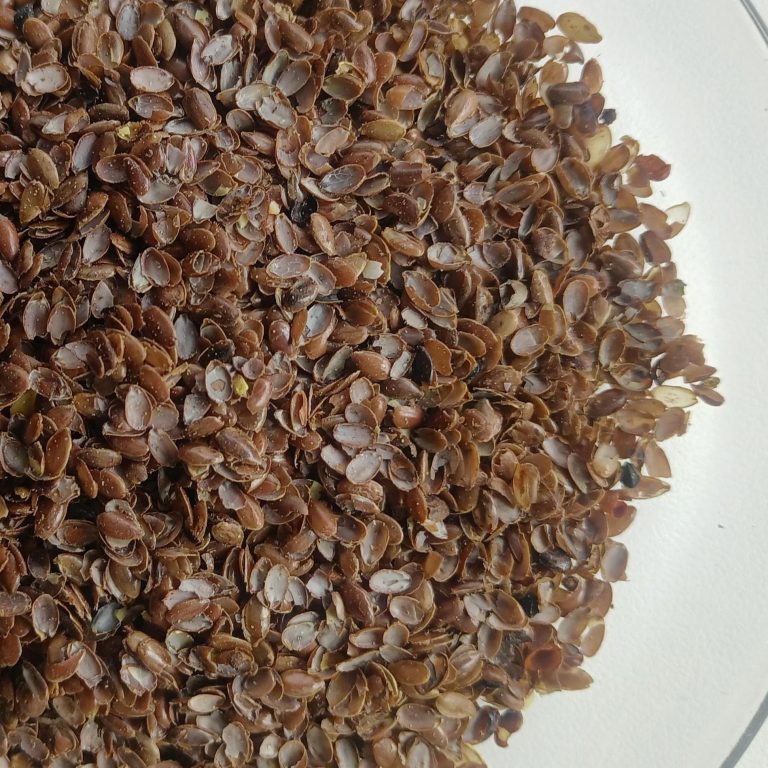
Flaxseed gel is produced by extracting water-soluble polysaccharides (mainly mucilage) from flaxseed through hot-water hydration and filtration. At home, it…
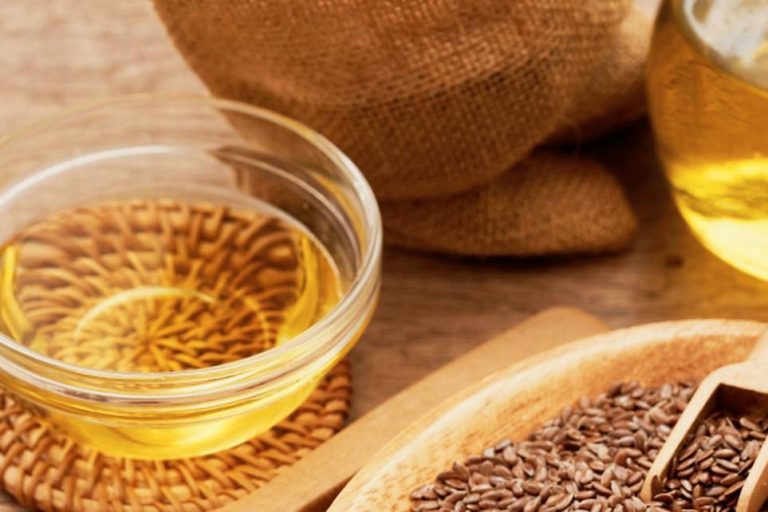
Flaxseed oil nutrition data — key industrial takeawayFrom an industrial raw‑material perspective, flaxseed oil nutrition data shows that it is…
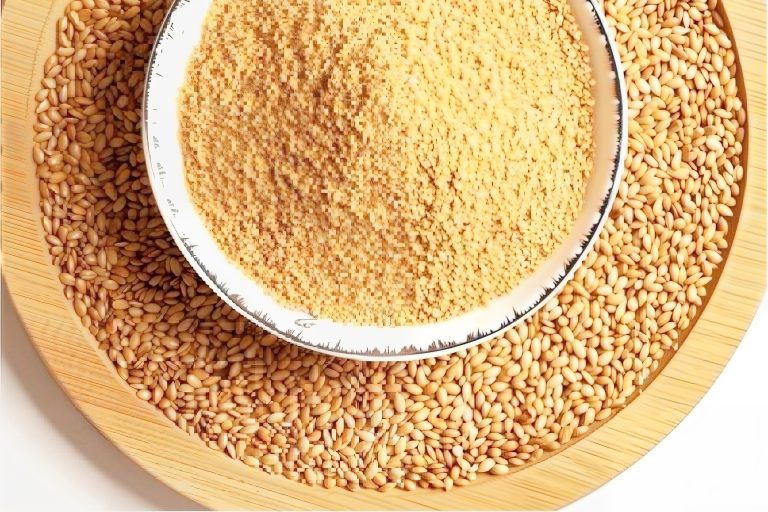
What products can flaxseeds be processed into?Flaxseeds can be transformed into a wide range of industrial and food‑grade products through…
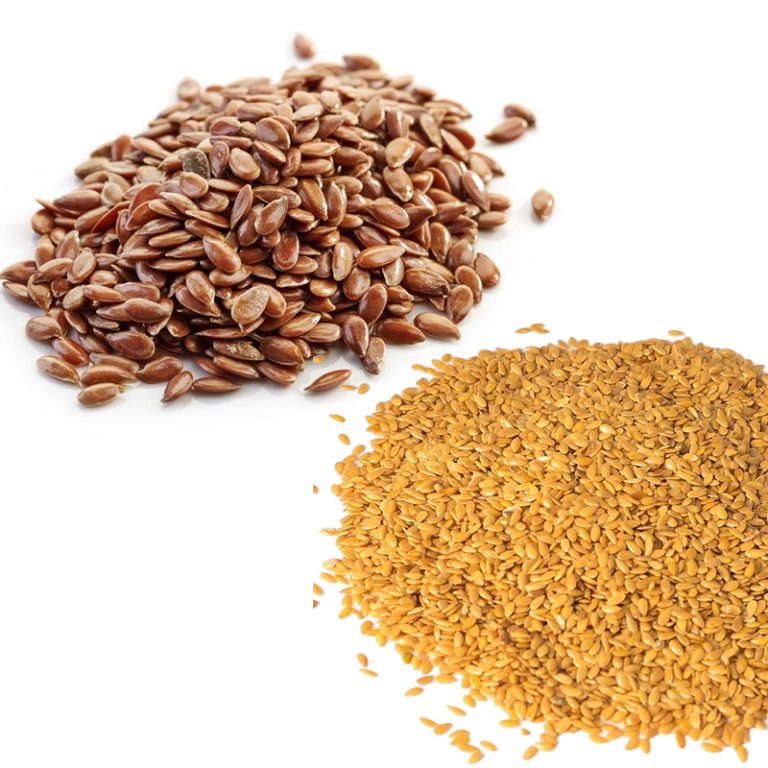
Brown vs. Golden FlaxseedBrown and golden flaxseed share the same nutritional foundation — high dietary fiber, plant protein, omega‑3 (ALA),…
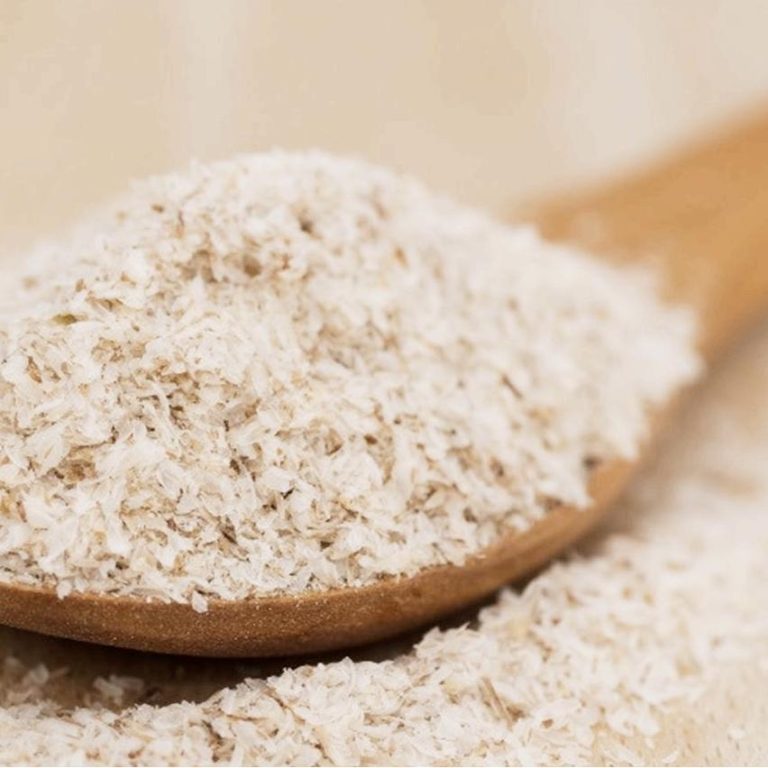
Flaxseed vs. psyllium huskFlaxseed and psyllium husk are both high‑fiber ingredients but serve different functional roles and nutritional profiles in…
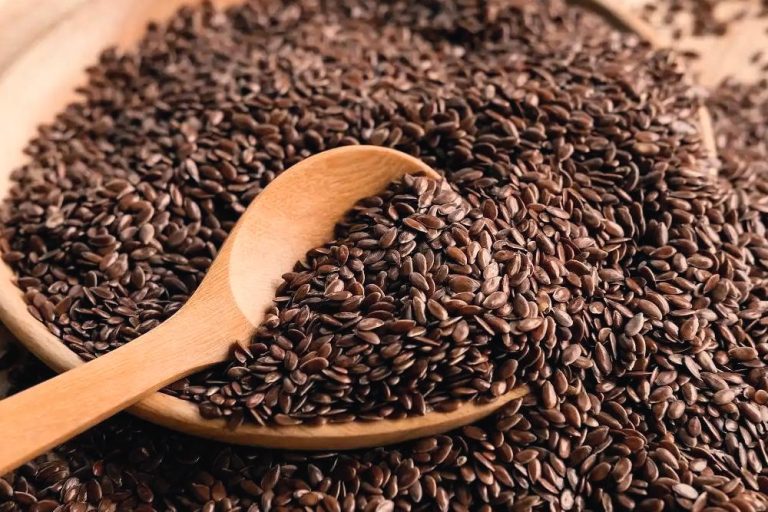
How many calories in 1 tbsp of flaxseed?One tablespoon of flaxseed contains approximately 30–55 calories, with most of the energy…
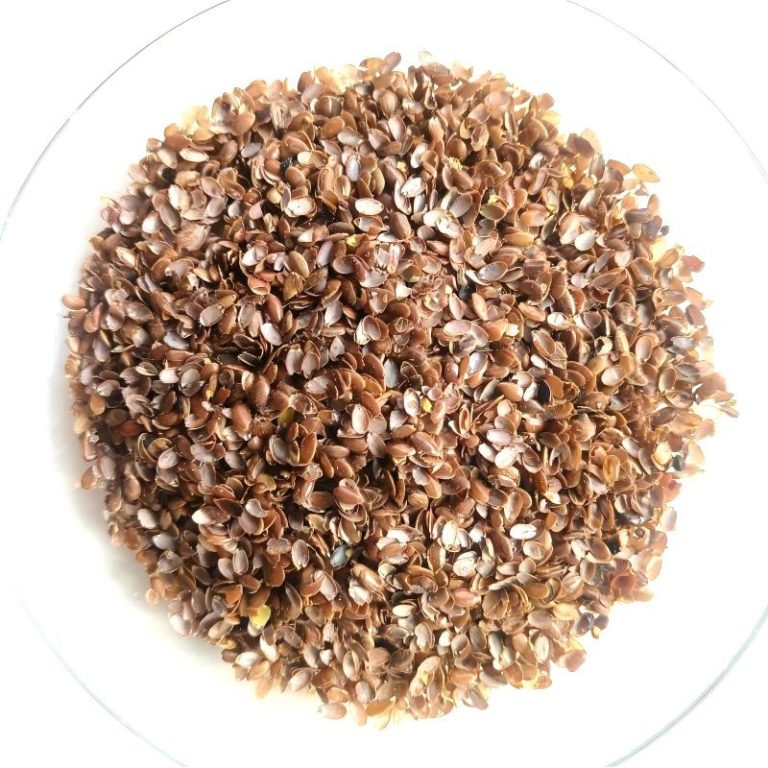
How is flaxseed hull processed?Flaxseed hulls are separated and upgraded through a combination of cleaning, dehulling, grinding, sieving, and fractionation…
What is the flaxseed glycemic index?The glycemic index (GI) measures how quickly carbohydrate‑containing foods raise blood glucose, with lower numbers…
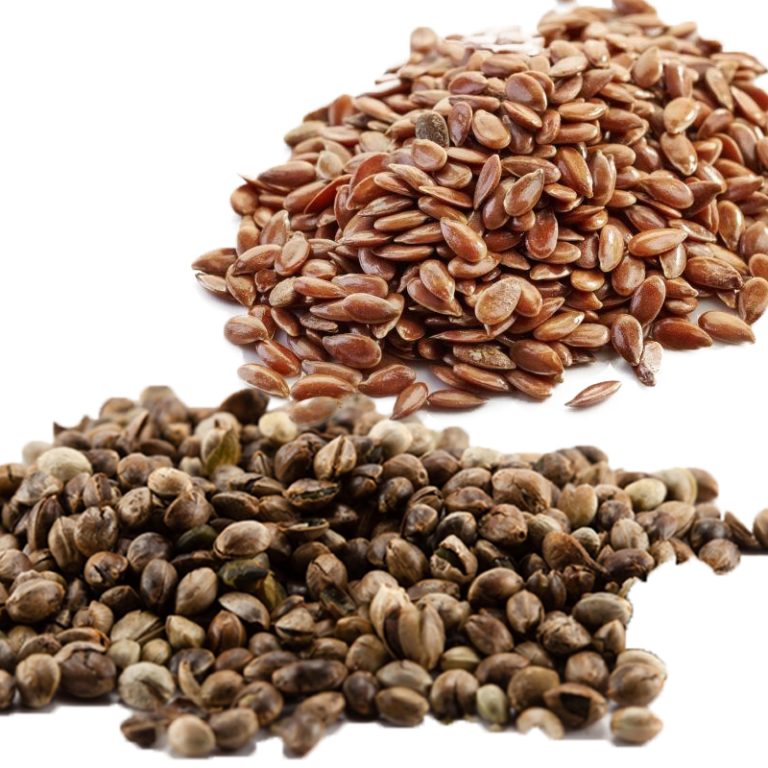
Flaxseed vs hemp seedFlaxseed and hemp seed are both nutrient‑rich oilseeds, but they differ in fatty acid profiles, fiber content,…
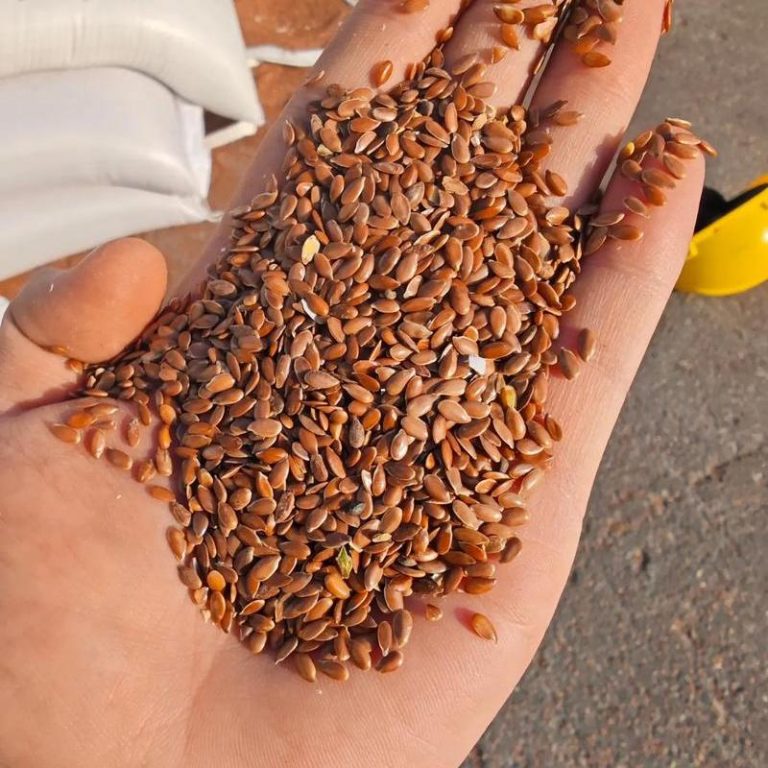
No, flaxseed is not considered high in oxalates. Compared to many nuts, seeds, and leafy greens, flaxseed contains relatively low…