Is linseed oil food safe?
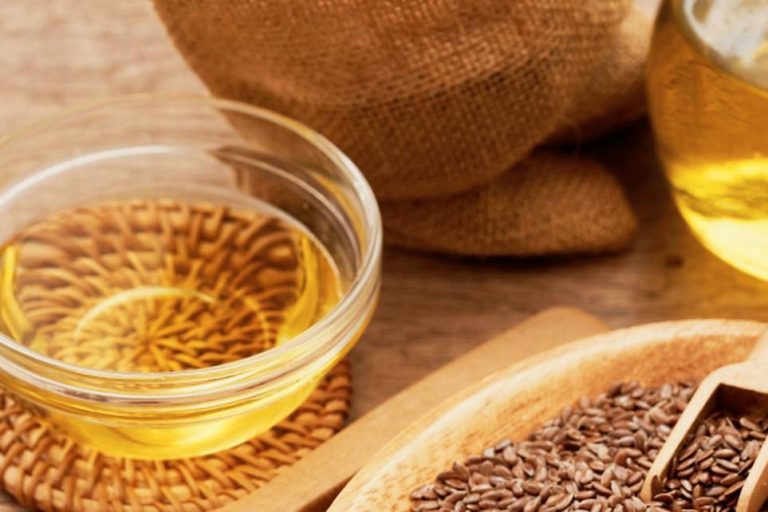
Yes — but only certain grades are safe for food use. Flaxseed oil and linseed oil come from the same seed, yet food‑grade flaxseed oil is processed and refined under standards that ensure safety, purity, and oxidative stability for consumption. By contrast, raw industrial linseed oil (used in paints, finishes, and non‑food applications) often contains additives, solvents, or oxidation products that make it unsafe to eat. When labeled and produced for the food supply chain, linseed/flaxseed oil delivers beneficial omega‑3 ALA with appropriate safety controls; non‑food linseed oil does not.
1. Are Flaxseed and Linseed Oil the Same?
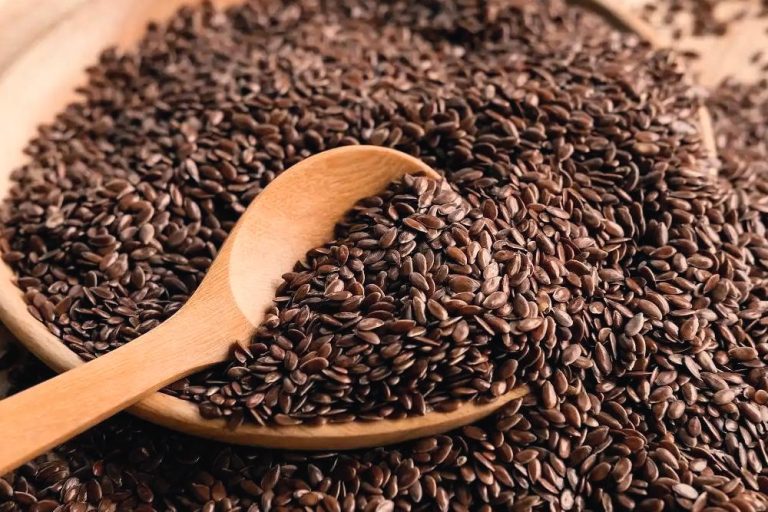
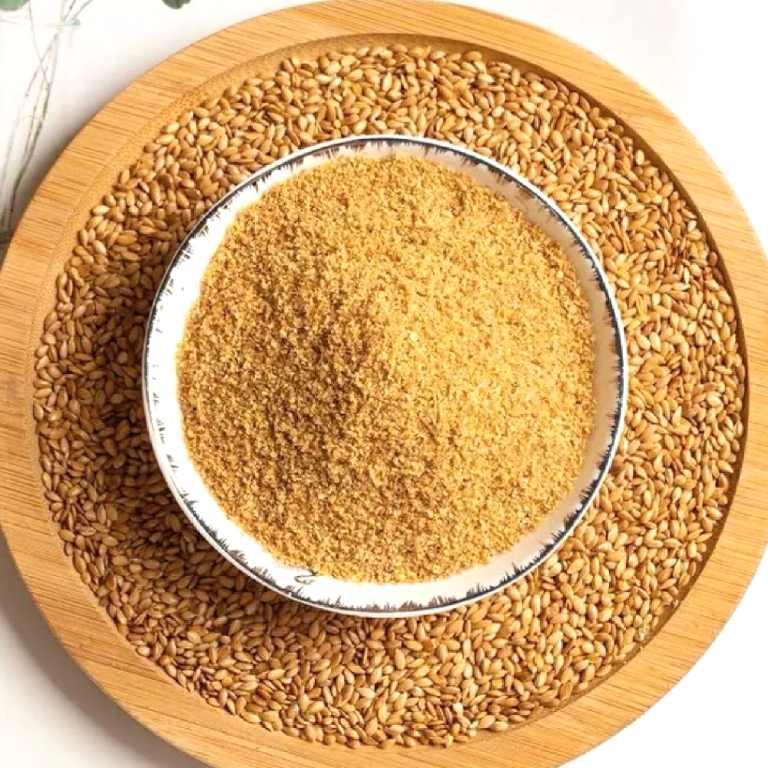
Yes — flaxseed and linseed both come from the same plant: Linum usitatissimum.
The terms differ mainly based on regional usage and purpose:
| Term | Region/Common Usage | Main Purpose |
|---|---|---|
| Flaxseed | North America (e.g., USA, Canada) | Food and nutritional supplements |
| Linseed | UK, Commonwealth countries | Industrial uses (e.g., wood finishes) |
Flaxseed vs Linseed
“Flaxseed” is used when referring to food, while “linseed” is often used in industrial contexts. However, linseed oil can be food-grade if properly processed and labeled as such.
2. Linseed Cost Structure, Beneficial & Harmful Compounds
A. Cost Breakdown
| Cost Category | Description |
|---|---|
| Raw Material | Fluctuates with weather and supply; ~$600/metric ton (FAOSTAT, 2023) |
| Processing | Includes pressing, filtering, refining (food-grade requires more steps) |
| Packaging & Shipping | Requires oxidation-resistant packaging and often cold chain logistics |
B. Beneficial Compounds in Linseed (per 100g oil)
| Compound | Approximate Amount | Function & Notes |
|---|---|---|
| Alpha-linolenic acid (ALA) | 50–60g | An omega-3 fatty acid linked to cardiovascular benefits (Goyal et al., 2014) |
| Lignans | Trace amounts | Phytoestrogens with antioxidant and potential anti-cancer effects |
| Vitamin E (tocopherol) | ~17mg | Antioxidant that protects cell membranes |
C. Potentially Harmful Substances
| Compound | Source | Risk Summary |
|---|---|---|
| Oxidation products | Light/heat exposure | May cause inflammation or cellular damage |
| Benzo[a]pyrene | Incomplete refining or burning | Classified as a carcinogen (IARC, 2020) |
| Heavy metals | Contaminated soil or machinery | Toxic to the kidneys, liver, and nervous system |
Linseed oil is rich in ALA, making it a great plant-based omega-3 source.
Proper storage is crucial to prevent oxidation.
Only refined and food-grade linseed oil is safe to consume due to the removal of impurities and toxins.
3. Linseed Oil Processing: Crude vs Refined
A. Processing Flow
| Step | Description | Purpose |
|---|---|---|
| Cold Pressing | Mechanical extraction below 40°C | Retains nutrients like ALA |
| Crude Filtration | Removal of hull particles, wax, and proteins | Prepares oil for refining |
| Refining | Degumming, neutralization, and deodorization | Removes harmful substances, improves shelf life |
B. Key Refinement Techniques
| Process | Purpose | Example Method |
|---|---|---|
| Degumming | Removes phospholipids and mucilage | Water or acid treatment |
| Neutralization | Removes free fatty acids (oxidation risk) | Alkali wash with NaOH |
| Deodorization | Removes odor-causing volatile compounds | Vacuum steam distillation |
| Activated Carbon Filtration | Adsorbs carcinogens like benzo[a]pyrene | Final stage purification |
Crude linseed oil is not safe for consumption.
Food-grade oil goes through multi-step refining to eliminate harmful compounds.
Look for cold-pressed, filtered, and labeled edible linseed oil.
4. Linseed Oil Food Safety – FAQ
Q1: Can I eat the linseed oil from a hardware store?
A: No. Only food-grade linseed/flaxseed oil is safe for consumption. Industrial linseed oil may contain solvents and harmful residues.
Q2: What makes linseed oil unsafe when unrefined?
A: It may contain oxidation byproducts, pesticide residues, or carcinogens like benzo[a]pyrene.
Q3: How should edible linseed oil be stored?
A: In dark, airtight containers, refrigerated after opening to slow oxidation.
Q4: What does “cold-pressed” mean?
A: Oil was extracted without heat, preserving nutrients like ALA. It’s ideal for food use but has a shorter shelf life.
Q5: Is linseed oil better than fish oil for omega-3s?
A: Flaxseed oil provides ALA, a precursor to EPA/DHA found in fish oil. Conversion rate in humans is low (~5–10%), so it’s best for vegetarians.
Q6: Can cooking with linseed oil be harmful?
A: Yes. Linseed oil has a low smoke point (~107°C). High heat destroys ALA and may produce harmful compounds.
References
FAOSTAT. (2023). World production and trade statistics: Flaxseed. Retrieved from https://www.fao.org/faostat
Goyal, A., Sharma, V., Upadhyay, N., Gill, S., & Sihag, M. (2014). Flax and flaxseed oil: an ancient medicine & modern functional food. Journal of Food Science and Technology, 51(9), 1633–1653. https://doi.org/10.1007/s13197-013-1247-9
International Agency for Research on Cancer (IARC). (2020). IARC Monographs on the Identification of Carcinogenic Hazards to Humans. Retrieved from https://monographs.iarc.fr